
NOT ALMOND
HUMAN INTENT / MACHINE EXECUTION
-
INTENT - THE FEELING THAT HAS TO EXIST
EXECUTION - THE PROOF THAT IT DOES.NOTHING LOST IN BETWEEN
-

Really, Not Almond.


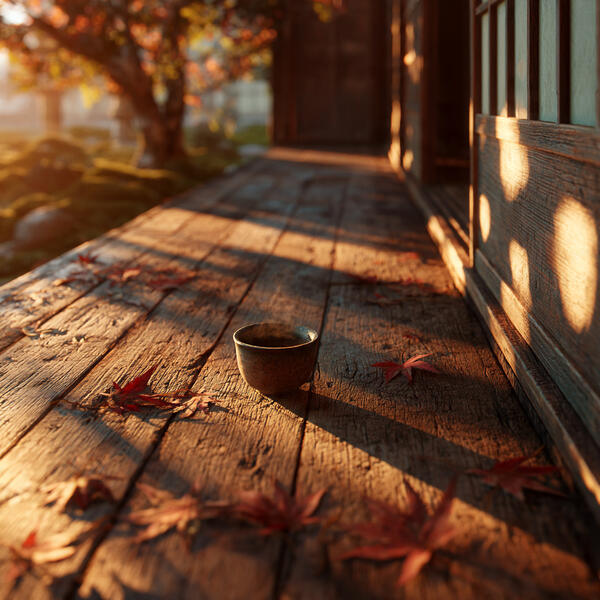

ALREADY (EP)
- FASTER, TALLER, STRONGER... THAN ME -
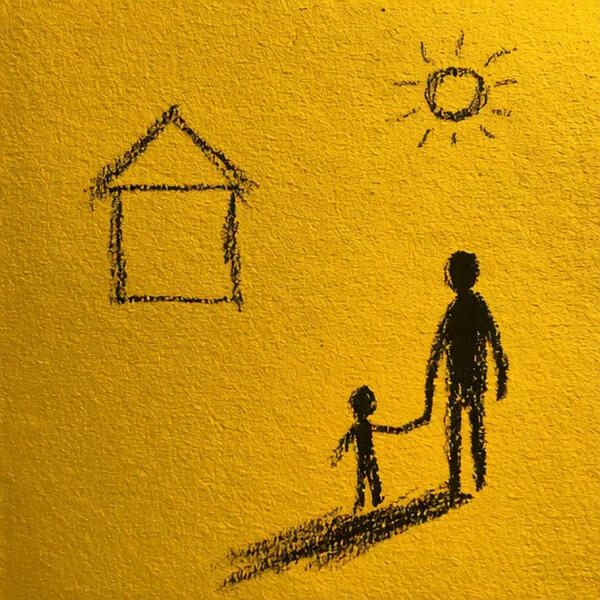
N/A-JR-003-EP | 11/06/2026
- AUDIO STORY -
-
ALREADY
- FASTER, TALLER, STRONGER... THAN ME -
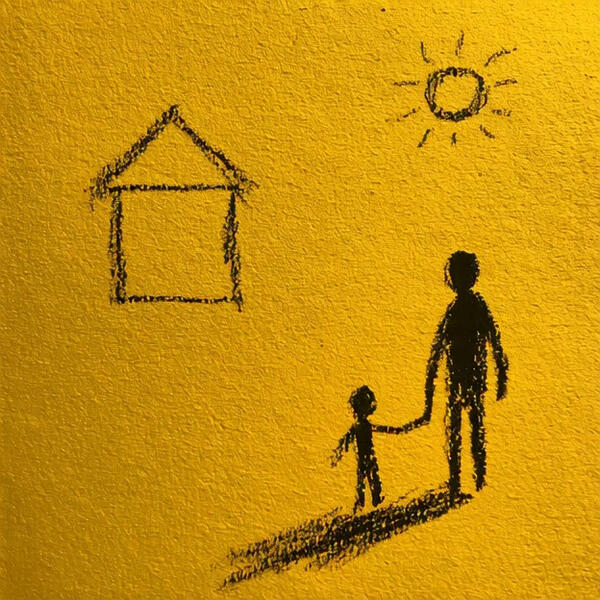
N/A-JR-003 | 10/30/2026
- AUDIO STORY -
-
ONE MORE NIGHT (EP)
- ONE MORE NIGHT. THAT'S HOW FOREVER STARTS -
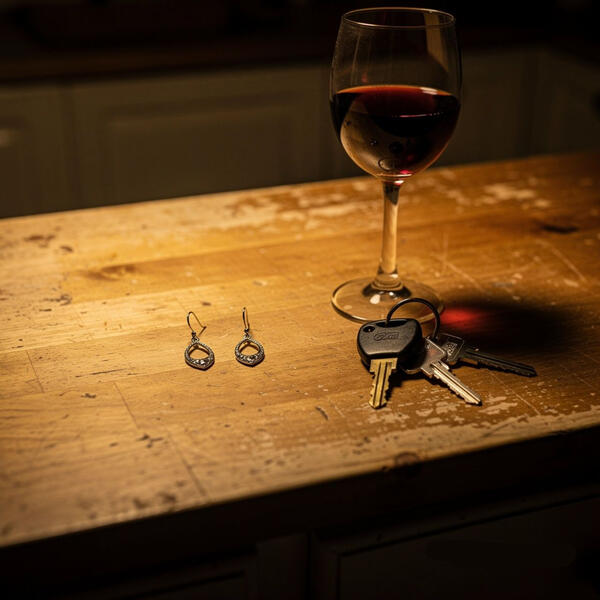
N/A-009-EP | 10/09/2026
- AUDIO STORY -
-
ONE MORE NIGHT
- ONE MORE NIGHT. THAT'S HOW FOREVER STARTS -
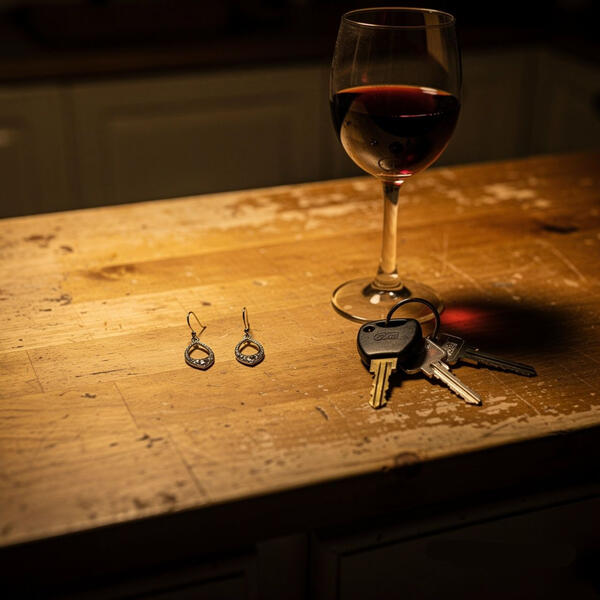
N/A-009 | 10/02/2026
- AUDIO STORY -
-
NINE (EP)
- COUNTING DOWN TO A FULL CIRCLE -
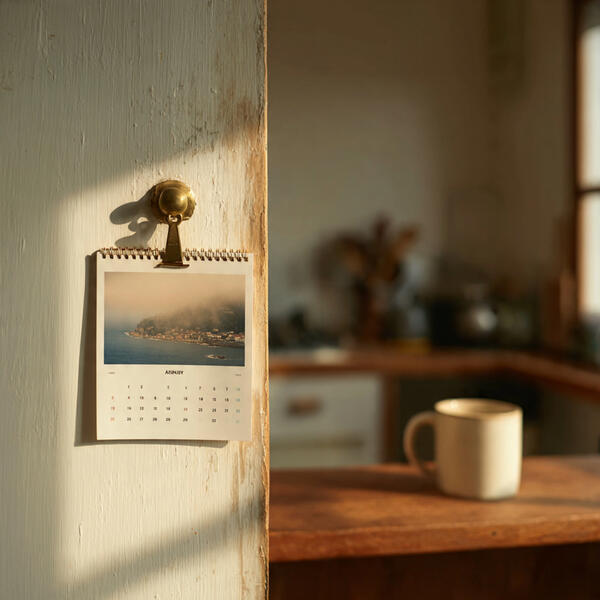
N/A-008-EP | 09/11/2026
- AUDIO STORY -
-
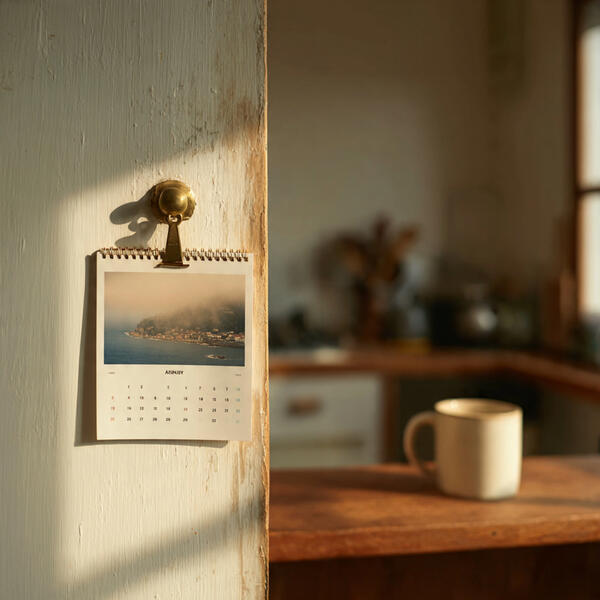
FINALLY (EP)
- ENDLESS GREY. THEN FINALLY, BLUE -

N/A-007-EP | 08/14/2026
- AUDIO STORY -
-

TICKLE FINGERS (EP)
- YOUR HAPPY LAUGH IS MY FAVORITE SOUND -
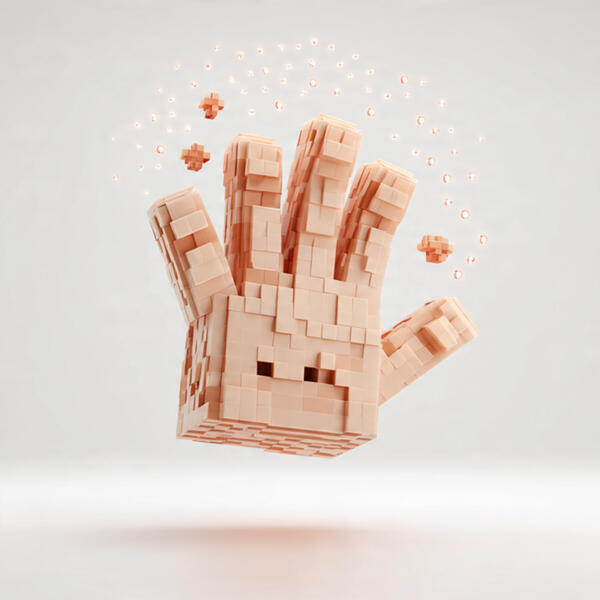
N/A-JR-002-EP | 07/17/2026
- AUDIO STORY -
-
TICKLE FINGERS
- YOUR HAPPY LAUGH IS MY FAVORITE SOUND -
N/A-JR-002 | 07/10/2026
- AUDIO STORY -
-
I AM OVER YOU (EP)
- STILL BROKEN. FINALLY FREE -

N/A-006-EP | 06/19/2026
- AUDIO STORY -
-

TRADING PLACES (EP)
- I WAS THE HAMMER. LET ME BE THE NAIL -

N/A-005-EP | 05/22/2026
- AUDIO STORY -
-
TRADING PLACES
- I WAS THE HAMMER. LET ME BE THE NAIL -

N/A-005 | 05/15/2026
- AUDIO STORY -
-
THE DIVIDE (EP)
- LEFT THE KEY. KEPT THE FEELING -

N/A-004-EP | 04/24/2026
- AUDIO STORY -
-
THE DIVIDE
- LEFT THE KEY. KEPT THE FEELING -

N/A-004 | 04/17/2026
- AUDIO STORY -
-
LOVE AT FIRST SIGHT
- THE FEELING WAS MUTUAL. THE SILENCE WAS TOO -
N/A-001 | 12/12/2025
- AUDIO STORY -
-
LOVE AT FIRST SIGHT (EP)
- THE FEELING WAS MUTUAL. THE SILENCE WAS TOO -

N/A-001-EP | 12.26.2025
- AUDIO STORY -
-
MY OWN COMPANY
- ONE SHADOW. ONE CUP. ONE DIRECTION -
N/A-002 | 01/23/2026
- AUDIO STORY -
-
MY OWN COMPANY (EP)
- ONE SHADOW. ONE CUP. ONE DIRECTION -

N/A-002-EP | 02.06.2026
- AUDIO STORY -
-
ONE YEAR ON
- KEPT EVERYTHING. EXCEPT GOODBYE -

N/A-003 | 02/20/2026
- AUDIO STORY -
-
ONE YEAR ON (EP)
- KEPT EVERYTHING. EXCEPT GOODBYE -

N/A-003-EP | 02/27/2026
- AUDIO STORY -
-
LEVEL UP
- YOU ARE HERE. THAT WAS ALL IT TOOK -

N/A-JR-001 | 03/20/2026
- AUDIO STORY -
-

[ STORY ]
-
WHERE A MOMENTSLOWLY GROWSINTO TALE
-
N/A-ST-003
SINGLE
MOMENT - 3m
TALE - 12m
EP
MOMENT - 3m
TALE - 12m
N/A-ST-002
SINGLE
MOMENT - 3m
TALE - 12m
EP
MOMENT - 3m
TALE - 12m
N/A-ST-001
SINGLE
MOMENT - 3m
TALE - 12m
EP
MOMENT - 3m
TALE - 12m
RECEIPIENT
-
-
The company sends flowers when someone dies. There is a line item for it and a standing order with a florist, and because James Miller is the one who signs off on standing orders, he approved the invoice for the arrangement that was sent to his own house.He remembers signing it. He remembers thinking the price seemed high.A year on, that is the thing he can never explain to anyone: not the funeral, not the casseroles, not the six days of leave that HR calculated for him down to the hour. The invoice. Forty-two dollars over what a standing order should cost, and no one to call about it, because the person he called about things like that was the reason for the flowers.The invoices still come. His signature is on them because it is on everything: the florist, the elevator inspection, the paper towels. Facilities has been his for nine years. Four floors, forty thousand square feet, a crew of three.Christmas falls on a Monday this year, which means the building closes at six on Friday and does not open until Tuesday. It is on the lobby calendar, in the newsletter, and on a laminated sign by the elevators that he printed himself. Four days. He has known about it since October.On Wednesday he told all three of them to take the rest of the week. Danny has a newborn. Wendell has grandchildren. Ramirez drives nine hours to his mother's. Whatever is left can be done by one person, and one person is what he has.So it is him on the shutdown list. Service entrance secured. Freight elevator locked to key access. Thermostats set back to fifty-five for the four days nobody will be here, which is the part of the job he does last, and slowest.Their house sits at sixty-four now. That number took him a while to notice.For fourteen years the thermostat was a standing negotiation, because she ran cold, cardigan in July, socks to bed, hands like she had just set down a glass of ice water, and the house lived at seventy-four all winter whether he agreed or not. He used to make a thing of it. Opening a window in February to prove a point. Standing in front of the vent with his arms crossed like a man waiting for an apology.Nobody moves it now. He never moved it then either, except the once.Twenty minutes of grievance on a Saturday, the window, the arms, the whole performance, and she got up and knocked the dial down to sixty-eight without a word.He waited until she was in the other room and put it back.She found it about an hour later. He watched her stand there looking at the number, and then she turned around and looked at him, and she smiled. He kept his eyes on the paper for about four seconds. Then he smiled too.Sixty-four turns out to be what his body actually wanted the whole time, and it took him the better part of a year to work out that he had never once had an opinion about temperature. He only had an opinion about her being cold.The building will be fine at fifty-five though.His sister has invited him for the holiday. There is a text on his phone from Sunday that says no pressure either way. He has read it eleven times.The email comes in at 4:40 on Thursday, which is late enough that he almost does not open it.Subject line: Employee Assistance Program, Coverage Period Ending. He reads the first line assuming it is a system-wide notice, the kind that goes to everyone and means nothing, and gets four lines in before the shape of it stops him.It is not addressed to everyone. It is addressed to one person, by name, and the name is not his.Our records indicate that your bereavement leave was recorded on the date shown below. Under the current plan, employees are eligible for up to six sessions of grief counseling through the Employee Assistance Program, which must be used within the plan year in which the leave was recorded. Our records show that no sessions have been used. This coverage will expire on the date noted above and cannot be extended or carried forward.At the bottom, where the signature goes, a name and a title: Jennifer Miller, Human Resources Manager.
At the top, where the recipient goes, the same name.It takes him a second. He knows what he is looking at, because he has seen it once before, on an invoice he signed himself for flowers that arrived at his own house. Somebody's grief routed back through their own name.Six sessions. None used.jamiller. jemiller.One character. Nine years in this building, one keystroke apart, and he has never once thought about his own email address. He does not know her. He would not know her in an elevator.The signature block he knows. It was at the bottom of everything that came to him last winter, the leave calculation, the benefits continuation, a letter about six sessions of grief counseling available to him within a plan year that has since closed. He never used those either. He is not sure he ever opened that one.He does not delete it.The footer tells him to. Six lines of grey type at the bottom of every message that system sends, scrolled past for nine years without once being read, and he reads it now. This message may contain confidential information intended only for the named recipient. If you have received this message in error, please notify the sender immediately and delete it from your system.Notify the sender. He reads that line four times and does not move.
Then he stands up, because sitting with it is worse, and goes to do the thermostats a day early.His office is on the ground floor, past the service entrance, next to the shop and the main electrical room. Same as every building he has ever worked in. He takes the stairs to four and works his way down.On two the lights are on in the corner office.Ten to five on the Thursday before a four-day shutdown, and there is one office still lit on an empty floor, and there is no need to check the nameplate, because he has spent the last twenty minutes with her signature on his screen.The panel is at the far end of the corridor. To reach it he would walk past her door, and on a floor this empty she would hear him, and then there would be a man in the hallway at ten to five and she would have to decide whether to look up.He goes back down the stairs. The second floor can wait until tomorrow.
He drives home with the radio off.The personal phone goes in the mount, the way it goes in the mount every day, which made more sense back when somebody used to call it. Her on the lock screen, smiling straight at the camera, straight at him, because he was the one holding it. A year of opportunities to change that. He has not.The work phone is in the cup holder, face down, under a parking stub.At the second light he takes it out and turns it over.He reads the letter again at a red light, like a man reading something he should not have. Six sessions. None used. Expiring the second of January.Then it goes back in the cup holder, screen to the plastic, and he looks up at the mount, the way a man checks whether anyone saw. She is still smiling at him.Sixty-four degrees in the house. He turns on the kitchen light but leaves the rest of it dark.There is a card on the counter from a neighbor, cardinal on the front, still sealed. People are kind. That is the part nobody warns you about. After a while you start scheduling around it.
He eats standing up. One plate, one fork, two minutes at the sink.He is still standing at the sink when it gets him. The email is not going to leave him alone until he does something about it.He can delete it, which is what the footer says and what any reasonable person would do.He can forward it to the help desk, which would generate a ticket, which would go to whoever is on rotation, which would eventually land on the desk of whoever on her team sent it, at which point somebody would have to walk into that corner office and explain what happened. He thinks about the person who typed four letters into a To field on a Thursday afternoon before a holiday. Twenty-four years old, probably. Clearing the last of the year-end batch. He does not do this.Notifying the sender, as instructed, means writing to a woman he has never spoken to and telling her that he has read a letter about her dead husband, or wife, or whoever it was, and that he is sorry, and then what. There is no version of that email that does not make her day worse.He sits at the kitchen table for a while with the phone screen-down and the one light on over the sink.Then he thinks: she does not know.She knows the letters go out. She does not know one of them went to a stranger. She does not know that anywhere in the world somebody is holding the information that she has six sessions expiring on the second of January and has not used one of them. As far as she is aware that is nobody's business but hers. It is currently nobody's business but hers. The only thing standing between her and that being true is him.He can just not tell her. He carries it, she never finds out, and nothing about her Christmas is any different than it was going to be.It is the first decision he has made in a year that felt like doing something.Friday the building empties by noon.The second floor gets done at three. The lights come up ahead of him on the motion sensors and go out behind him, so he travels in a moving box of light about thirty feet long, which is a thing he has never noticed in nine years because there has always been somebody else on the floor keeping them lit.HR is an open bullpen with four desks and the manager's office in the corner. Three of the desks are cleared to the laminate. The fourth has a monitor still on, a cardigan over the chair, a mug with something in the bottom of it, and a stack of folders squared up with a sticky note on top. He does not read the note. He reads enough of the folder tabs on the way past to know it is enrollment.Somebody is coming back for that. Not today.The corner office is dark, door shut, blinds down.There is a nameplate on the wall beside the door. J. MILLER. He has walked past it a thousand times.The panel takes ninety seconds. Fifty-five, four days, the same as every other floor. He stands there for five minutes anyway.On the way out he checks the coffee maker in the bullpen, which is off, and the space heater under the fourth desk, which is not. He unplugs it, coils the cord, sets it on the chair where somebody will see it Tuesday.The supply closet on two is standing open again. Four cases of paper towels inside, AJ in block letters across the end of each and the full company name in small print under it, one case short of what he signed for. He writes it on the clipboard hanging inside the door and pulls the door shut.At six he sets the alarm and the building becomes something that does not need him until Tuesday.In the truck he sits with the key in his hand.She left before he got up there. Sometime between noon and three she put her coat on and shut the door and went wherever she goes, and she will not be back until the twenty-sixth, and the second of January is a week after that.Six sessions. None used. A week.He had been telling himself all day that she knows. She signs them. She is the one who signs them.Except she did not send it. A system did, to an address that was not hers, on a Thursday afternoon while she was still in her office at ten to five with nowhere to be.Christmas is quiet.His sister gets a text Saturday morning. Sorry, the shutdown, next year. She writes back that she gets it, and he sits with the phone in his hand knowing she does not.He had been braced for the four days since October.Saturday he regrouts the upstairs shower, which he has been meaning to do since before. Sunday he takes the gutters, both sides, in twenty-eight degrees, and it occurs to him on the ladder that he maintains this house exactly the way he maintains the building, on a schedule, for nobody, and that the only difference is the paperwork.Her coat is still on the hook by the back door. He works around it.Christmas Day he eats at the counter, watches most of a game, falls asleep in the chair at some point in the afternoon and wakes at six in the dark with his hands cold and the furnace not running, and for about a second, the way it still happens maybe twice a month, he forgets.Then he remembers. The room has been sixty-four degrees for hours and there is nobody in the house who would have said anything about it.The email is still on the phone. Not opened since Thursday. Not deleted either. It sits in the list between a shipping notification and a reminder about a filter order.He opens it Monday night.Our records show that no sessions have been used. This coverage will expire on the date noted above and cannot be extended or carried forward.He knows what six sessions are probably worth. Nothing. Six hours in a room with somebody paid to be there. He did not use his, and he is not a man who has ever believed a form letter fixed anything.But somebody should have told her.That is the whole thought and it arrives fully assembled at nine-forty on a Monday night. Not that she should go. Not that it would help. That a person should not run out of something without being told the clock was running, and that she is four days from the end of it, and the only person who knows is a stranger on the ground floor.He opens a new message. He types her address, all eight letters, watching the autocomplete offer his own.Subject: Misdirected email.Deleted.Subject: FW: Coverage Period Ending.He deletes that too, because forwarding a woman her own letter about her own dead husband with FW in front of it is the single worst thing he has ever come close to doing.Subject: I think this came to me by mistake.He looks at that one for a long time. It is true and it is polite and it says nothing, and if he sends it she will spend her first morning back working out that a man in the basement has read a letter she did not know existed, about a thing she has not talked to anyone about, on the last week she had to do anything about it.He gets no further than the subject line.It goes to drafts, and the phone goes face down on the dresser.Tuesday he is in at six. The lot is empty except for one car in the far row, nose-in against the bank the plow left.He sits in the truck and looks at it for a while.Then he goes in and turns up the heat.
AFTERNOON, SHIFTED
-
-
He was three blocks past the corner he might have turned at before he thought about turning at all. It was a Wednesday, and the afternoon was his, and the evening was his, and there was a strangeness to that he had not quite gotten around to feeling.His phone had been quiet since noon. He checked it anyway, and then checked it again, and by the third block was doing it the way a hand keeps scratching after the itch is gone. Nothing. She was somewhere with her friends, or after somewhere with her friends, or on her way to somewhere else, and he had lost track of the exact plan around the middle of the week, which was fine, because the exact plan was hers to keep and not his. He kept the calendar for other things, and he checked her calendar too, out of a habit that had begun as helpful and become, at some point he couldn't quite name, a small quiet form of tending.The coat was wrong for the day. He'd worn it because it had been cool that morning when he left the apartment, and no thought had come to leave it behind. The sun was doing that just-past-lunch thing where the light was strong but the air still hadn't caught up, and the coat sat on him like something he'd dressed for a different day.He passed a coffee place he sometimes went into with her. He didn't go in.His feet had settled into the pace they took when there was nowhere in particular to arrive. Somewhere around the fifth block he was on a street he didn't usually take, though he might have taken it, the neighborhood being small enough. Trees. A stroller parked outside a laundromat. The sycamores had that pale flaked bark he never remembered noticing until he was looking at it.He was thinking, more drifting through the thought than settling on it, that it was strange to have hours and not have anyone to spend them for.That was probably why he saw the shop at all.It was on the corner. Places like this were mostly on corners now. Wide glass on both street sides, so the whole interior showed itself: pale wood, warm bright, a wall of tall clear jars of tea leaves and dried whatever-else, and, at counter level, the row of colored drinks in tall clear cups, layered like small aquariums, the boba beads sunk to the bottom in the darker ones. A chalkboard by the door listed the day's specials in loopy pink marker, and one of them was called Sleepy Panda Milk. He couldn't tell if it was a name or a description. Something in him considered smiling, though nothing on his face changed. A neon sign in the window said something in a font too clean to read from outside. Behind the counter, two very young people made drinks with the practiced quickness of people who had made a lot of drinks.Inside, a dozen or so customers. None of them looked up.He was not, in general, a person who went into places like this. He knew he wasn't. But something at Sleepy Panda Milk had already happened, and by the time he understood he had stopped walking, he had also opened the door.⁂Inside, the shop was cool, steady, machine-cooled, unaffected by the hour. His coat, which had been wrong for the walk, was suddenly, accidentally, correct. He kept it on.There was music playing, some song he didn't know, quiet enough that he mostly noticed it wasn't quiet.He walked toward the counter because there was nothing else to walk toward, past a table of teenagers who paused their conversation as he walked past, and picked it up again once he was clear.Up close, the drinks looked less like aquariums and more like small colored columns of geology — layers of something, layers of something else, all of it engineered for the picture that would be taken of it and not for the drinking of it. He stood at the counter for a moment, and then longer than a moment, reading the board.The board did not help.There were words on it he understood individually and could not assemble into a drink. Cheese foam. Crystal boba. Brown sugar tiger stripes. He read them the way a person reads directions in a language they used to know."Do you want a minute?" said one of the very young people, kindly, in the tone of a person who had said this before to men his age.He had, in fact, already had his minute. The minute had not helped."Sleepy Panda Milk?" he said, more question than order."Sleepy Panda Milk," she repeated back, and then, without changing anything in her voice, "brown sugar milk tea, tapioca and grass jelly, whipped cream cap, cocoa on top, sweetness level?""Um.""Fifty is what most people get.""Fifty, then."She tapped it into the tablet and told him a number, which he paid, and asked him what name to write on the cup, and he told her a name, his own, though it took him a small extra second to be sure that was the right one to give."You can sit anywhere," she said.He looked. Some of the tables along the window had people at them. Down the middle ran a long communal table where two women in scrubs were sharing a plate of something fried, and one boy in headphones was doing what looked like homework. At the back, past a low bookshelf half-hidden by a rubber plant, sat a small round table with one chair.He went to the small round table with one chair. He sat down. His hands settled on the table.His drink arrived faster than he had expected. It was cold in his hand in a startling way. His hand had been empty for a while, and the cold registered more than it might have. The pearls sat at the bottom, dark and patient. He drew some of the drink up through the wide straw. It tasted, he decided after some consideration, like a milkshake had been introduced to a tea at a party and neither one had known quite what to do about it.He did not dislike it.He set it down and looked at the room, because there wasn't anything else to look at.At the end of the counter a to-go cup had been standing long enough for its ice to settle. One of the very young people called the name on it again, AJ, and nobody came for it.The two women in scrubs were laughing about something one of them had said. The boy in headphones was mouthing along to something, but very quietly, as though he did not know he was doing it.The rubber plant, up close, was real.The bookshelf behind it had a different kind of realness. It had the presence of things nobody had thought about in a while. Two shelves. Some books stood up, some had fallen sideways, and a few paperbacks lay flat where they had been left.
He got up. The drink stayed at the table, and the coat stayed on him. He crossed the small distance to the bookshelf the way a person crosses a room in a stranger's house when they have been given permission to look around.Up close, the shelf held maybe ten books, gathered rather than chosen. Two manga volumes with cracked spines. A paperback thriller with a plane on the cover. A cookbook of some kind. A hardcover about business. One in what looked like Chinese, or possibly Japanese; he couldn't tell. A stack of magazines that had stopped being current about four years ago.And, near the middle of the second shelf, a small quiet-looking book that didn't seem to know it was on the wrong shelf.He picked it up because his eye had already picked it up, and his hand had gone along the way hands do when the mind is not particularly involved. The cover was the color of paper that had once been another color. Small plain type at the top: The Habit of Rooms. No image, no ornament. He turned it over. There was a short description on the back that he read without registering, of the kind that suggests the book is quiet and about a woman and takes place mostly indoors.He carried it back to his table.He placed it beside the drink. He did not open it right away. He took another draw of the milk tea. Some pearls came up with it, three or four of them, cool and dense on his tongue. He chewed them one at a time, quiet, private, unhurried, and by the time he had finished them he was already opening the book.He did not turn to the first page. He let the book fall open where it wanted, which was somewhere in the middle.The paragraph he landed on was about a woman who was doing something in a kitchen. He read it. He did not particularly attend to it. He read the paragraph beneath it, which was about the same woman doing something else, and then a third paragraph, which was about the light in the kitchen changing.The book was quiet, as the description had promised. His eyes moved along.He turned a page. He turned another.Here and there, someone had marked the pages before him: a pencil underline, a small check in a margin, once a word circled in blue ink. He passed over them without attending. They were another person's private business.Somewhere in the room the music was still playing quietly, and one of the women in scrubs was telling the other a story that ended, from what he caught of it, in a punchline about a supervisor, and the boy in headphones was nodding along to whatever he was mouthing.He took another draw of the drink. More pearls came up. He chewed them slowly, which his mouth had settled into doing on its own, and he kept reading.⁂He read on for a while, unbothered.Then a paragraph slowed him down.She would look up from what she was doing and there would be more water than there had been, without her having noticed the arrival of any of it. This, she thought, was how most things came into a life.He read it once. He was still chewing the last of the pearls in his mouth, and he finished chewing them, and did not take another draw.He read it again.The second time, he read it slowly; he had, he suspected, read it too quickly the first time. And then a third time, because the second time had not been enough either.The book stayed open in his hands. He did not close it.Something in him had gone quiet, in the sense that a room goes quiet — not silent, not empty, only that the small noises he had been making, of which he had not been aware, had stopped.His mouth had stopped moving. His hand, which had been about to reach for the drink, had not reached for the drink. Somewhere behind his ribs there was a small pressure, low and level, of a kind he would not have known how to describe if anyone had asked him, and no one was going to ask him.He looked up, once, briefly, at the room. The women in scrubs were still there. The boy was still there. The music was still doing whatever it had been doing. Nothing in the room had changed. It was only that, quietly, in a place inside him that had nothing to do with the room, the afternoon had shifted.He looked back down at the page.The words were where they had been. He read them a fourth time.He was not, at any point during the fourth reading, thinking about her specifically. He was thinking, if he was thinking anything, about the shape of more water than there had been. About the arrival of things he had not noticed arriving. About the phrase how most things came into a life, which was doing something behind his ribs that had not been doing anything a minute earlier.He laid the book down on the table, gently, still open to the page.Then he sat there, unmoving, for what might have been a minute, and might have been longer.⁂He did not know, later, when he had first noticed the writing.It might have been during the fourth reading. It might have been after he set the book down, when his eye came back to the page on its own. What he knew was that at some point he looked at the passage and saw, beside it, in the margin, three words in small handwriting he had not seen the first three times.How did she know?The letters were small and blue and slightly leaned, the way people's handwriting leans when they are writing something to themselves rather than to be read.He looked at the words.He did not, at first, do anything with them. He read them as he had read the passage: once, and then again. He looked at the passage. He looked at the note. He looked at the passage again.There was, he understood, another person in this book.Not the woman in the paragraph. Someone else, who had also read this page, and had stopped where he had stopped, and had written those three words in the margin, and had gone on with her life.He did not know her. He would not know her. She had been alone with the book at some point, and then the book had been alone, and then the book had been here, and now he was alone with the book, and there were three words in the margin she had left behind for nobody in particular.But he had found them.How did she know? — she, meaning the author, who had rendered the paragraph. She, meaning the woman in the paragraph, who had looked up and seen more water. She, meaning also, the margin-writer herself, who had recognized the paragraph clearly enough to write to it.Three women who did not know each other, and, sitting behind the ribs of a stranger in a boba shop on a Wednesday afternoon, had somehow arranged themselves into a small quiet chord.He read the note again.He sat with that.His own life, it seemed to him, had accumulated much like that. Not one large thing. Not any thing he could have pointed to. Just days, small yeses, the shape of a Tuesday, another Tuesday, the years of never having learned to say no to anything anyone had ever asked him quietly enough. It had been rising for a long time, and he had known it was rising, and he had not said so, because saying so had never seemed like a thing that would help.And here was a stranger, in the margin of a book he had picked up because his hand had picked it up, asking a question he had been silently answering for years.He returned the book to the table, more carefully this time.The women in scrubs had gone. He had not noticed them going. The boy in headphones was still there.His hands were on the table, and he left them there.
He looked back at the page. His eye had come back to the margin. Not deliberately; the eye does that once it has learned there is something to come back to. But this time, sitting beside the three words, he saw the small drawing he had not seen before.It was a four-leaf clover, done in the same blue ink.Three of the leaves were the same size, small and rounded, sketched with the loose confidence of a hand that had drawn this shape many times before. The fourth leaf, the one that made it lucky, was drawn larger than the others. Not by much. Just enough that you saw, once you were looking, that she had wanted the lucky one to be a little more than the ones around it. He looked at it for a while.Something in him smiled, quietly, on its own.He was not sure why. It was, on its face, only a doodle. It could have been anything — the mark a person makes when their hand needs somewhere to go while their mind is elsewhere. He had made doodles like that himself, once, on the corners of exam papers and the backs of appointment cards, though not for years now. His hand had settled into other kinds of holding.But this one — the fourth leaf drawn a little bigger than it needed to be — was not the mark of a hand that had nothing to do. It was the mark of a hand that had wanted something for the person it was drawing for, which had turned out to be herself.He kept looking at it.He had thought, before, that the note in the margin had been the whole of what she had left in the book. He understood now that the note had been the noticing, and the clover had been what she did next, which was to wish, quietly, unspokenly, for a little more than the noticing.That was, he thought, the shape of it exactly.A person notices what has been rising in her life. And then, not expecting it to help, and not meaning it to be seen, she draws a small extra leaf.He rested his hand on the table beside the book, palm up for a moment, and then, having no reason to leave it there, palm down.The boy in headphones was, at some point, no longer there.The room had gone through one of those small shifts a public room goes through when several of its people leave at once and nobody new has arrived yet. Behind the counter, one of the very young people was wiping something down. The music had changed to a song he had also never heard, at the same not-quite volume as before.He looked at the clover.He was thinking, without arriving at any of it, about the small extra things he had done for her over the years, not the ones she had asked for and not the ones he had told her about, but the smaller ones behind those — the calendar, the second cup he made in the mornings that she had not asked him to make, the coat he had gone back for in the fall of a year he could not quite pin down, how he stood on a certain side of her on a sidewalk though she had never told him which side she preferred, but which she had preferred, once, a long time ago, and he had noticed. All of them small. All of them a leaf drawn a little bigger than it needed to be.He had not thought of them as leaves before.He looked at the drawing in the margin of a book he did not own, made by a woman he did not know, and understood, for the first time in a long time, that he was not the only person in the world who had been doing this.That was, in some small quiet form he had not asked for and could not undo, the whole afternoon.The clover kept being there. He kept looking at it.⁂He closed the book.Not right away, and not with any particular ceremony. He looked at the clover once more, then closed the book slowly, his thumb still marking the page for a second after the cover had already come down.He sat with his hand on the cover. It was smaller than he had remembered from the shelf, though he had only just been at the shelf.The drink beside him had, at some point, come to a truce with the ice. He picked it up and finished what was left of it, not because he wanted to and not because he didn't, but because it was there and finishing it seemed like the thing that was next. The last of the pearls came up. He chewed them as his mouth had learned to chew them, with no particular attention to their chewing, and put the empty cup down.He looked at the book once more.Then he got up, and carried the book back to the shelf, and slid it in beside the one about business and the one whose title was in Chinese or possibly Japanese. He set it, on purpose, spine-out and level, as you set a book you have taken good care of. To the next person who came looking, nothing would show.He looked at the shelf for another moment. Then he turned, and walked back to his table, and picked up the empty cup, and carried it to the tray by the door where the empty cups went.He put on the coat properly, all the way on, since he had never fully taken it off.At the door, one of the very young people looked up and said, kindly, "Have a good one.""You too," he said.Outside, the sun had done that thing where it had stopped being noon a while ago, and he had not noticed the noticing. The light was on the other sides of the buildings now. The coat was, once again, the right coat, or close enough.He stood on the sidewalk for a moment, not because he was deciding anything but because a person, having come out of a room, sometimes needs a moment before choosing which direction to face.Then he faced the direction of home, and began to walk.He walked slowly. He was not in any hurry. He had, after all, the rest of the afternoon and the whole of the evening, and she would not be home for a while yet, and there was, when he thought about it, no particular reason to be anywhere.He was thinking, not settling on any of it, about the two mornings he had made her coffee last week, and about how she took it, and about how she had not asked him to, and about how he had not, all things considered, minded.He thought, once, of the clover.He kept walking.
HER SMILE
-
-
The doors closed.She found a seat by the window. Not for the view, just because it gave her one less direction to face. She took off her coat, folded it, put it on the empty seat beside her. Placed her bag on top. Small things to do with her hands.The train started moving.She knew the drill. Every time the doors closed and the train pulled out, she was further from whatever had just happened. That was the thing about trains — they made distance a fact before you'd decided whether you wanted it.She wasn't sure she'd decided yet.The carriage was half-full. Evening commuters. Someone two rows ahead eating something warm. A man across the aisle already asleep in his suit. In the row behind her, two people talking, parents, from the resigned patience in their voices.These things she noted. That was also part of the drill, taking inventory of the room. It kept the mind occupied with things that didn't need a response.Usually it worked in about three minutes.She checked her watch. One minute and forty seconds since the doors had closed.The tunnel came. The specific pressure of it against her ears, then the rhythm of tracks underneath her, then the opening-out as it ended. She shifted in her seat.The thing she was not examining yet was still there. She could feel it the way you feel a sound that's stopped, in the absence it leaves.⁂She turned her attention to it.The station. The turnstile. She'd been shaking rain off her umbrella when the man at the platform looked up. Their eyes met for a second, maybe two.And then she knew something. Something she had no business knowing from two seconds of eye contact in a train station.How?She was still sitting with that when something else happened.⁂She blinked.She was at a table. A restaurant somewhere unremarkable, paper place mats, a seasonal menu, somewhere easy for both of them to get to. She knew that. She knew this was their first date. She knew she'd been nervous walking in.Blinked.The nervousness was gone. She wasn't sure when it had left. She was sitting across from him and she was not performing anything, and she noticed that, briefly, because she usually tracked everything on first dates, monitored the distance between who she was and who she was presenting. She wasn't doing that. She was just there.He was talking. She was listening without tracking every word. She was noticing other things instead. The way he held the menu without opening it. The way he glanced at her when he thought she wasn't looking.Blinked.He knocked over the salt shaker. Not far. Nothing spilled. But he spent an unusually long time making sure it was exactly upright again. Very deliberate. Both hands. Complete attention to the geometry of the salt shaker.She was already smiling at nothing when he looked up.He saw it. He looked at the salt shaker. He looked back at her. Said nothing. Put it down carefully.She looked back at her menu.Thirty seconds later, long after the moment had closed, after she'd moved on, she heard him laugh. Quiet. Private. Like he'd caught the joke on a delay, like something in him processed things a half-beat behind the room.She looked up.He wasn't performing it. He was just catching up. Still sitting there with the private amusement of something he'd only just understood.She found this, unexpectedly, charming.She was smiling at him this time, not the menu. He saw it. The corner of his mouth moved.She thought: oh.Not the lightning-bolt kind. Just the specific small surprise of someone being more interesting than expected in a way you couldn't have predicted.Blinked.She was on the train.⁂The sound arrived first — the tracks, the carriage noise, someone shifting in their seat two rows back. She pressed both hands flat against her thighs. Felt the seat underneath her. The window dark to her left. The man across the aisle still asleep in his suit.She touched her face. Two fingers against her cheekbone.Her face was there.She exhaled.She had been on the train the whole time.⁂She sat with it for a moment before she could do anything else.She took a breath. Let it out.Her mind had done something strange. She was going to be precise about that: strange. Not concerning, not alarming. Strange. The kind of thing that had an explanation she hadn't located yet.She ran through the candidates. Tired, yes, she'd been standing in the rain. The brain under certain conditions produced vivid unsolicited impressions. She'd read about this. It had a name. Several names.One event was a data point. Not a pattern.She was almost satisfied with that.Almost — because of the laugh. Too specific to have been produced by a tired brain filling in gaps. She hadn't invented it. She had recognised it. There was a difference between those two things, and she knew the difference.She filed it under: unexplained.She reached for what she knew instead. The two times before. What she'd learned from them.She was still reaching when something took the light out of the carriage.⁂She thought: tunnel. The automatic assumption, she'd been through three already on this line.The light came back wrong.Morning light. East-facing. Pale. The specific quality of before-nine.She was in a kitchen.
She was sitting at a table near the window. A book open in front of her. She wasn't reading it.She knew this kitchen. She knew this was their home. She knew this was a morning that had happened the way mornings happened, without announcement, without occasion.The coffee was already made.Blinked.He was at the counter. He hadn't asked if she wanted any. He was making two cups, which was the answer to a question nobody had asked out loud. She watched him. He moved through the kitchen with the ease of someone who knew exactly where everything lived, the coffee, the cups, the spoon, the specific way she took it.He brought one over. Set it by her hand. Said nothing.She didn't look up from her book. She reached for it.That was all.She felt the particular warmth of it — not just the cup, but the reaching. Of not having to ask. Of someone knowing without being told. The cup was the right temperature. The morning was quiet in the specific way mornings were quiet when you weren't spending them alone.She hadn't looked up. She hadn't needed to.Blinked.She was on the train.⁂The tracks. The carriage. The same man asleep across the aisle.She pressed her hands against her thighs again. Harder this time.She looked at her hands. They were empty.She exhaled slowly.⁂She turned her attention to it carefully.She did not imagine things like this. That was the part that mattered. She was not someone who sat on trains and constructed domestic mornings with men she'd seen for two seconds on a platform. It was not in her nature. She'd always been quite certain of that.And yet.The same two people. A kitchen now. Further along, as though something were continuing. As though her mind were insisting on a next chapter.Minds didn't write next chapters about strangers. A flash, an impression, perhaps. But a continuation? A coffee cup at the right temperature?That was the part she couldn't file.She made herself look up. In the row behind her the parents were still at it, AJ, the show, the parking. She made herself listen. Real people. A real inconvenience. One of them still hadn't worked out which one AJ was, and the other was explaining it with the patience of someone who'd explained it before.She held onto it until she couldn't.The kitchen was still there.She put it down. Somewhere. Not quite filed.⁂She pressed the heels of her hands against her eyes and rubbed, the unselfconscious gesture of someone whose thinking had run out of room.The sound of the tracks was still there.Then underneath it, something else was already arriving. The specific quiet of a room at three in the morning. The kind of air that had been breathed slowly for hours. Both sounds together, briefly — the train still fading, the room rising to meet it.She lowered her hands.They came to rest on something smooth. A sheet, worn soft from use. The particular weight of a duvet above her.She was lying down.She knew what this was.His side of the bed was empty.⁂She lay still for a moment. Then she got up.She found him in the other room. Sitting at the edge of the couch in the low light coming through the window. Not asleep. Not quite tired enough yet. The particular stillness of someone whose body hadn't caught up with the hour.He looked up when she came in.She went to him.She put her arms around him from behind, her chin on his shoulder. She felt him settle — the slight shift, the way he did this when she arrived. Not surprise. Just: her.What are you doing?Nothing.The room was city-quiet. Late. She stood there with the weight of him, the warmth of him.Blinked.She kissed the side of his head.Come back to bed.Give me five minutes.You don't have five minutes. She felt the smile before she could see it. You have one minute. Starting now.He turned slightly. One minute.Starting now, she confirmed.His hands came up and covered hers where they rested on his shoulders. She knew those hands. The exact weight of them.Okay. Quiet. Warm. Starting now.Blinked.She was on the train.⁂Her hands were in her lap.They had been on his shoulders.The train was very loud.She gripped her own hands and did not move for a long time.⁂There was something there. She was done arguing about it.Between her and the man at the station, she couldn't name it and she wasn't going to try. The explanations had failed twice. That was the score.Something was there.And she was still not going back.Not because the life had looked wrong. She'd seen all of it, the first date, the kitchen, the three in the morning, and it had looked like nothing she'd had before. It had looked right. That was the problem. It had looked right and she was still choosing to stay on the train.There was no argument for that. There was only: she knew herself. She knew what she did to things she wanted too much. She'd done it twice. She knew what she was capable of.She just hadn't expected the enemy to have her own face.⁂She made herself stop.Knowing wasn't the same as going. It had never been the same as going, for her.She felt it the way you feel a lock turning — nothing dramatic, not even particularly painful. Just: the thing that had been open, wasn't anymore.She would not be getting off at the next station.She would not be going back.⁂The train continued.She looked at her reflection in the dark window. Coat folded beside her. Hands in her lap. Entirely composed.She looked exactly like someone who had made a sensible decision.She had become quite good at looking like that.Behind her, the parents had moved past AJ, something about parking now, the logistics of an evening already settled. Their conversation had the comfortable weight of people who knew exactly what their night held.She looked at her reflection a moment longer.Her reflection smiled.She hadn't.She looked away.She had closed doors before. She knew the weight of them.This one was the heaviest.But...On this night, in this train, of this reality,Everything was where it was supposed to be.
HIS UNFOLDING
-
-
By seven the waiting room has already gone through its evening changeover — the receptionist's radio switched off, the little fountain someone insisted on for the ambiance switched off too, its water sitting motionless in the basin, a single coin someone tossed in weeks ago still visible at the bottom. AJ can hear the building settle around him the way it does every evening once the foot traffic stops: the elevator two floors down, a door somewhere closing, the particular hush of a place built for people to sit and wait, now empty of anyone waiting.Dana knocks on his doorframe rather than the door itself, already half turned to leave. "You're not actually staying, are you?""Just finishing something up.""You said that an hour ago." She doesn't come in, just leans against the frame, coat already on. "Need me to pull his file before I—" She glances past him at the desk, where it's clearly already sitting, right where she left it. "Right. Already did that. About an hour ago, actually. You flagged it two weeks back, said you wanted it ready for today. This is usually the part where you mention a raise.""Duly noted.""I'll add it to the list." She straightens off the doorframe. "You want anything before I go?""I'm good. Get home safe."She lingers half a second longer than the conversation needs, the kind of pause that isn't really about anything except making sure he's not about to say more, and then she's gone, the outer door clicking its familiar half-second-delayed lock behind her, and the office is his alone the way it only ever is at this hour.The folder really is thick for one case — the better part of a year, session notes he prints for himself out of habit even though the system holds all of it too. He straightens his cuff before he opens it, an old reflex, done and forgotten before he's aware of doing it.He doesn't start at the beginning. He knows the beginning. He goes straight to the pages he flagged months ago, the ones that never quite stopped itching.Clipped to the inside cover is a page he added himself two weeks back, the ink lighter than the rest of the file. A note written forward instead of back. Anniversary — the 27th. Reach out that evening. No session needed. Keep it light.Seven-fifteen. He checks his phone before he does anything else. Nothing new. He pulls up the patient's number and types a message instead of calling:Hey — how's today treating you?Sent. He turns back to the folder.The first entry he'd flagged is dated a little over ten months back, his own handwriting tighter than it gets later in the file.Pt reports partner "moved for work." Affect neutral, incongruent with reported timeline. Recommend continued monitoring.Continued monitoring — not yet knowing this one wouldn't resolve into ordinary.The very first session, though, before any of that got written down, the patient had spent a while on how they met: a bad blind date neither of them had wanted to go on, a mutual friend's terrible idea, both of them checking their phones under the table for an excuse to leave early that never came."I almost left after the appetizers," he'd said, something almost boyish creeping into his voice, a version of himself no one else in the room would ever see again. "Told myself I'd say I had an early morning. Then she made this joke about the bread basket, this completely stupid joke, and I just started laughing and couldn't stop. Neither of us noticed the restaurant closing around us. They had to ask us to leave."None of that made it into any file.There's a smaller moment buried a few sessions later, easy to miss if you're not looking for a pattern yet. AJ had used the word "widower" once, describing an unrelated case in a completely different context, and watched the patient's posture change for exactly as long as it took him to realize the word hadn't been about him. Neither of them mentioned it. The therapist wrote nothing down. There was nothing yet, on paper, to write.His phone lights up on the desk beside the folder, sometime before he's turned the second page. The reply:Same as usual. Nothing new.He types a thumbs-up and keeps reading.Somewhere in that same early stretch, a session that started on nothing in particular — a broken garbage disposal, an argument with the building super over whose job it was to fix it — ended with the patient sitting in complete silence for almost a full minute, staring at a point somewhere past the therapist's shoulder."Sorry," he said eventually, wiping at his eyes like the gesture might undo itself if done fast enough. "I don't even know where that came from. We're talking about a garbage disposal."The therapist asked, gently, if he wanted to talk about where it came from instead."No," the patient said, already reaching for his coat. "I really don't."He let him leave ten minutes early that day. He wrote nothing about it in the file at all.He came back the following week talking about something else, breezy and composed, as if the version of him that left early the week before belonged to someone else entirely. The therapist didn't bring it up. There didn't seem to be a version of bringing it up that wouldn't have cost more than it was worth, not yet, not that early.The second entry is dated four months later.Pt reframes relationship status as "on hold," attributes duration to logistics. No acute risk indicators. Will continue supportive framework."It's not a breakup, it's not anything final, it's just... on hold," he'd said that session, almost apologetic about it, like it needed defending. "Everyone's life is on hold for something at some point, right? Jobs get put on hold. Renovations get put on hold. This isn't different, not really."He'd asked it like he wanted an actual answer. He didn't get one.Not everything from that stretch was clinical shorthand. One session, the patient spent several unprompted minutes on the subject of napkins, of all things, more animated than he'd been in weeks."I fold them like garbage, always have, some lopsided triangle," he'd said, something close to a laugh in his voice. "She'd wait till I wasn't looking and redo every single one. Never said a word about it. Just fixed it and let me think I hadn't noticed."The therapist wrote "Improved affect, humor present" in the margin, and moved on.The third entry is dated two months back.Pt describes elaborate evening routine: meal prep for two, place settings for two, describes it as "keeping some things normal." Query: ritualized behavior as coping mechanism vs. early sign of dissociative pattern. Will monitor closely."She said I'd burn water if given half a chance," he'd said that session, something almost fond in it. "But somehow the potatoes always came out fine. It became our thing. Whenever anything else in life went sideways, at least we knew dinner would be all right."Seven-forty. He sends a second text before he's decided to:You doing alright tonight, really?Then back to the file.Somewhere between that entry and the next, in a session that otherwise left no real mark on the file, the patient stopped mid-sentence and asked, apropos of nothing, whether it was strange that he still set two places every night.The therapist asked him what he thought."I don't know. Maybe. My sister thinks it's strange. She won't say it like that, but I can tell." A pause. "I told her it's not hurting anyone. She didn't really have anything to say back to that."He didn't ask the follow-up question either one of them might have been thinking. The therapist didn't offer it unasked. Some conversations end because both people already know where they'd lead.He wrote three words in the margin that day: elevated, not acute. Rereading it now, he isn't sure which of the two was doing more of the lying.
The fourth entry, six weeks back, is short, barely three lines, the kind of note he writes when a session runs long on silence rather than talk.Pt began sentence with "since she—" before self-correcting to "since work sent her." Affect: brief distress, quickly composed. Did not pursue in session; clinical judgment was to let him self-regulate. Will revisit if pattern continues.Six weeks ago, the patient sat in the chair across the desk, describing an ordinary evening like it needed defending — dinner, dishes, the particular way he folds the napkins now that no one's there to redo them."They come out wrong every time, some lopsided triangle, and since she—" The sentence stopped clean, like a hand over a mouth. He looked down at the napkin he wasn't holding, an image only, something his hands remembered doing without him in the room. When he picked the thread back up, his voice had leveled itself out again. "Since work sent her away, I've had to get used to doing it myself. No one left to fix it for me."The therapist didn't write anything for a few seconds, the pen resting where it was, giving the patient space to say more if he wanted to. He didn't. Whatever had almost surfaced went back under, smoothed flat by the same phrase he'd been offering for months. The therapist let it. The call, made in real time, was that pushing now would cost more than it bought.A judgment he could still defend, if asked.Six weeks later, waiting is what he's still doing.The fifth entry, two weeks back, is the one that started the note clipped to the inside cover.Pt mentions in passing that "it'll be a year soon." Did not elaborate further; redirected to weekend plans when asked.He'd said it almost lightly, mid-sentence, talking about something else entirely, work or the weather, impossible now to remember which. "It'll be a year soon," and then straight on to whatever came next, like the sentence hadn't just walked past something enormous on its way to somewhere smaller. When asked, carefully, what he meant by that, the patient just shrugged. "Nothing. Just noticed the date, is all." Then, a beat later, unprompted: "What are you doing this weekend?"The therapist answered the question. It seemed like the kinder thing to do, that day.He did the math before the patient had even finished changing the subject. He wrote the note that night, told Dana to have the file ready, and didn't explain why.It hadn't felt like enough, even then.He checks his phone. Nothing yet. Eleven minutes now, and nothing.He straightens his cuff twice while he waits, an old habit not doing its job tonight. He calls, finally, when eleven minutes becomes closer to twenty. It rings a long time before voicemail picks up, the automated greeting flat and impersonal. He doesn't leave a message. He starts looking for a number he's never had reason to use before tonight: next of kin, listed on the original intake, filed at the very back.The referral letter is dated almost a year back, a GP's letterhead, three plain clinical lines he must have read once at the start and never needed to open again.Referred for grief support. Patient is a widower following the sudden death of his partner; reports difficulty accepting the loss. Recommend ongoing counseling as needed.Not "moved for work." Not "on hold." Just "widower," in someone else's handwriting, in a file he's carried for the better part of a year without needing to look at where it started.The two more recent phrases are still sitting on the desk where he wrote them down himself: moved for work, on hold. A year of soft language stacked on top of the one word that started it.He thinks, unhelpfully, of a restaurant that stayed open too late for two people who couldn't stop talking. Of potatoes as the one dish a man never learned to burn, because someone once teased him into getting good at it. Of a garbage disposal that meant nothing, and a silence that meant everything. Of a sister somewhere who already suspects more than either of them has said out loud. Of a single word, used once by accident, that changed a man's posture for exactly as long as it took to realize it wasn't about him. None of that is in this letter. It didn't need to be, until tonight.Thirty-one minutes since the second text. Long enough to run through the actual protocol once: call it in, request a wellness check, and find nothing on the chart that would justify it. No acute risk indicators, every time he'd had reason to write one. Nothing but a date on a note he wrote himself, and a phone that isn't ringing.He's up and reaching for his coat before he's finished deciding, the address already pulled up on his phone, keys already in hand from the hook by the door, the same motion his fingers make straightening a cuff that's already straight. The file stays open on the desk behind him, forgotten mid-page for the first time all night.The landline rings behind him before he reaches the door — the desk phone, not his cell, a sound rare enough after hours that it takes a full second to place. Insistent, the only thing in the whole office still awake.He stops with his hand on the door.
SAME OLD CITY
-
-
The windows were still dark when she got up.She didn't check the time. She knew from the quality of the dark, the complete kind, not a grey before grey, that it was early enough. She had somewhere to be.The apartment was cold before she turned the heat up. She stood in the kitchen doorway for a moment, not quite committed to the room, and then moved to the coffee. That was the order of things.She wrapped both hands around the mug when it came. The warmth moved through the ceramic. She stood at the counter and looked at the window, which gave nothing back, just the black of a city that hadn't started yet.She had not put music on in months.It had stopped gradually. A morning without it, then another, and at some point the habit simply didn't come back. She wasn't sure when. Some things you stop doing and only later notice the stopping.It had taken a long time to learn a different way of being in a room. Long enough that she had stopped being aware of the learning — the calibration that had become ordinary. Reading before speaking. Measuring how much of herself a moment could hold. Filling the right silences and leaving the wrong ones. She hadn't understood, for a long time, what it was costing her.She hadn't understood until the quiet came and she found herself still calibrating, still adjusting, with nothing left to adjust for. Just the coffee, and the window, and the cold room warming slowly. She had stood in this kitchen through many early mornings trying to locate herself — to find who she was when no one was requiring anything from her.It had taken months.The apartment was very tidy. Not because she was tidy by nature, she wasn't, particularly, but because nothing happened in it anymore to disturb the order. The cups were always where she'd left them. The books on the table hadn't moved in weeks. She had stopped having people over, and things had stopped moving, and the space had achieved a kind of stillness that had nothing to do with peace.The months had been quiet. Not unhappy, quiet was different from unhappy. It was just what the apartment sounded like without anyone in it to account for.She had lived with it. And then, somewhere in the middle of all that settling, she had said something she hadn't expected to say.⁂It had been ordinary. That was what she remembered most.She had been on the couch, a Tuesday evening, or a Wednesday, the middle of the week in the middle of the quiet, and he had sent her something that made her laugh. Just a small thing, a line about nothing in particular, but it was funny, and she laughed, and the sound of it in the quiet apartment startled her slightly. She hadn't been laughing much.The laugh was still settling when she picked up her phone and typed: "Come and visit. Have you ever seen snow cover a whole city — I mean really cover it, until the streets go quiet? You would love it."She had not thought about it first. That was the part she kept returning to, not the sending, but the not-thinking. The old version of her would have done exactly that. Reached out. Said come. Meant it completely. She hadn't done that in a long time.He had replied within the hour.She read it twice. He would love to. She just had to tell him when.She could have said she wasn't sure yet. She could have said she'd think about it and come back to him. The message was still open on her screen.She gave him a date.And then she set the phone down and sat with what she'd done. The apartment very quiet around her. The date out ahead of her, months away, like a point on a map she had to walk toward. She had said something she meant. She had committed to an action that required her to be a particular kind of person. She was not entirely sure, in that moment, that she was still that person.That had been four months ago.She had not cancelled. The thought had crossed her mind, twice, she thought, maybe three times, and each time she had let it pass. Not out of courage, exactly. More that cancelling would have required her to explain something she couldn't quite name yet. She had kept the date and not examined it too closely and told herself she would figure out the rest by the time she had to.By then was this morning.What she had been asking herself, in the weeks leading up to it, was not whether she was ready. She knew she wasn't going to feel ready, feeling ready wasn't something she'd been able to locate lately. What she'd been asking was smaller than that, and more specific: would she remember how to do this? To talk about the city the way she used to, freely, without measuring it, moving through the streets and saying everything she was thinking because the city deserved that and so did the person beside her. She used to be good at that. She had spent a long time being careful instead.She set the mug down.The window was beginning to lighten at the edges. Barely, just a shift in the quality of the dark. But it was there.She needed to get ready.⁂The light had changed by the time she moved.Not much, the pale beginning of a winter morning, the kind that came through a window at an angle and made the room look like a photograph of itself. She rinsed the mug and turned, and that was when she saw them: the dust bunnies, caught in a strip of light along the floor, drifting slowly in the air she'd disturbed. She had been living with them for weeks, probably. They had settled while she was still, and now she was moving again and the air was moving with her and they were lifting, slow and unhurried, into the pale light.She looked at them for a moment."Later," she said.Her own voice in the quiet apartment — just the one word, said to no one. She hadn't spoken yet today, and she realized as the word left her that she hadn't spoken much at all in here, not to herself, not in months. She used to. She used to narrate her mornings, a low, ongoing commentary on whatever she was doing, whatever she noticed, because she had always had observations and had never quite learned to keep them entirely internal. She would say things to the kettle, to the window, to the general air of whatever room she was in. The apartment had been full of her own voice for years. She hadn't noticed how quiet it had gotten until just now, hearing the word come out and land in the empty kitchen.Just the one word. But it was there.She left the dust bunnies to their light.In the bathroom she washed her face and looked at herself for a moment, not studying, just checking in. She looked like someone who had woken up early. That was fine.
She had told him she'd be the one in red. She'd said it without a second thought — a small, easy promise, tossed off before she could measure it.The wardrobe was cold to the touch when she opened it.The red one.She had stopped reaching for it. She couldn't locate exactly when, somewhere in the unremarkable middle of things, it had simply fallen out of rotation. She had reached past it without noticing the reaching-past, and at some point the not-noticing had become ordinary. She thought about that now. Not with any particular feeling, just noting it, the way you note a habit when you finally see it from the outside. The grey coat. The navy one. The colors she'd been wearing for months: practical, quiet, the kind that don't announce anything.She had not been trying to be invisible. She had just, without deciding to, stopped trying to be seen.It was the warmest coat she owned.She took it off the hanger.The weight of it was immediate — the wool settling across her shoulders, heavier than she remembered, the sleeves the right length after all. She did up the buttons and it found its shape around her the way a well-fitted coat always does. She looked down at her sleeve.Just the red of it. The deep, clear red of something that didn't mind being seen in winter.She had missed it.She wasn't sure she'd known that until just now.She did up the last button and stood there in the kitchen — in the coat she'd stopped wearing, in the apartment she'd stopped having people to, on a morning she'd spent the better part of four months becoming ready for without quite knowing that's what she was doing.⁂She went to the window.Below, the city was beginning, a first tram, a bakery with its own early light in the window. And the street: she noticed it now, looking down, that the street was white. It had snowed overnight, quietly, while she was inside not paying attention. The snow had settled over everything the way it did here, the way she had been describing to people for years without ever quite managing to convey the specific quality of it — the tram wires white on top, the parked cars white along every surface, the sound from the street softer than it should have been, absorbed, arriving at a slight remove from where it was made.This was what she had tried to describe. She had typed it in October, in the quiet apartment, and hadn't stopped to think about what it would feel like from the other side, to arrive in a city covered in snow for the first time, to step out into all of it at once. She had just pitched him the thing she loved most about her city in winter.It was there. And apparently so was she.She looked around the apartment once more. The cups on the rack. The books that hadn't moved. The dust bunnies still drifting in their strip of light, doing what they liked, now that she was moving.She found her keys on the hook by the door, exactly where she'd left them, because where else, and stood for a moment with them in her hand.Then she opened the door.⁂The cold came through the front door of the building the moment she pushed it open, clean and immediate, the kind that doesn't arrive gradually. She turned up the street and walked.The city was still in its early hours. A café just opening, the scrape of chairs from somewhere below street level. A man with a dog who nodded and passed. The snow compressed under her shoes differently than it had looked from three floors up, a soft resistance, a sound she had forgotten about. The dome of the Karlskirche appeared briefly between two buildings as she turned, dusted white at the top, the way it looked every year after a night of snow, as though the city had done something to itself while no one was watching.She had not moved through it much lately. She had lost, or not lost, but misplaced, the easy knowledge of a route you know so well your feet take it while your mind goes elsewhere. She had it again now. Turning here, crossing there, the station entrance at the corner, the stairs she had counted her whole adult life. The city had been going on without her. It had not minded.On the train to the airport she sat by the window and watched the outskirts give way to nothing in particular. The snow was thinner out here, or the same thickness and the difference was only what there was to cover. She looked at it going past and thought about nothing much, or perhaps she was already thinking about where to take him first. The Kaffeehaus near the Naschmarkt. The streets that looked best under snow. The walk from the station that she knew so well it had become invisible to her, which meant it would be entirely visible to him. She was already planning. She had not planned anything in months.⁂The airport was busy when the train pulled in. She found the board, his flight landed, twenty-two minutes ago, and made her way through to the waiting area.The arrivals doors opened one way: passengers coming through from passport control and baggage, a steady stream. On the other side: people with signs, phones, flowers. The particular look of those who have arrived at patience. She joined them.She checked the board once more. Still processing. She settled where she was and watched. A family came through, not him. A man with a trolley. A woman pulling two suitcases at once. The doors closed each time and she stayed where she was.His message came through.Just cleared. Coming out.She wrote back: Go outside first. I want you to see the snow.She made her way to the exit.She was not holding a sign. He would know her by the coat.The cold met her the moment she stepped through the terminal doors, bigger out here than in the apartment, the kind that belonged to open space. She stood in it.She had a city to show him — streets and Kaffeehäuser and things she'd been sending him in pieces for months without quite knowing that was what she was doing. She had a lot to say. She had been quiet for a long time.She knew exactly where to start.
THE TERMINAL
-
-
The card on the wall said:AJ — "Transient States"Works on canvas and paper, 2024–2026Opening reception: 7–9pmIt was 7:43pm.Eleven people had come.Three of them knew AJ personally.Two of them were AJ's parents, who had driven four hours and were now standing very close to a painting of what appeared to be a highway overpass at dusk, nodding with the focused sincerity of people who had no idea what they were looking at but loved the person who made it.The wine was a Sauvignon Blanc in a bottle with a label that simply said WINE in large sans-serif font, which either meant AJ had a sense of humor or had panic-bought it at a gas station on the way here.Probably both.The gallery itself was narrow and white, the kind of space that had been a garment storage unit six months ago and still smelled faintly of cedar if you stood near the back corner. Twelve paintings. Track lighting angled with the precision of someone who had watched exactly one YouTube tutorial on gallery installation. A small folding table near the entrance held the wine, a block of manchego that nobody had touched, and a stack of artist statements printed on paper that was trying very hard to be cardstock.The statement began: "These works interrogate the liminal architecture of human adjacency..."Most people read the first line and set it back down.Of the twelve paintings, four had small red stickers affixed to their cards, meaning sold. The buyers were identifiable by the specific expression of people who have made an irreversible decision and are now quietly practicing being at peace with it. One of them kept drifting back toward his painting and drifting away again, the way you check on a thing you're not yet sure is yours.Two paintings had prices that had been revised since the invitations went out. The original figures were still faintly visible beneath the correction, telling a particular story about the month leading up to tonight.There was also a guestbook on the folding table, next to the manchego. Cloth-covered. It had accumulated a few entries by now, and what appeared to be a small wine stain on the first page, which AJ had initialed.The room had the specific energy of a first solo show: equal parts pride and terror, dressed up as a casual Friday night. Conversations happened in front of paintings the way conversations happen at parties when nobody quite knows each other: slightly too loud, slightly too considered, with the occasional glance toward the door.Except for the painting at the end wall.Somehow, for that one, people approached differently.Quieter. Slower. The way you slow down when you're not sure what you're feeling but you're fairly certain you're feeling something.It was called "The Terminal."No subtitle. No year on the card.Just the title, and below it, in smaller text:Not for sale.⁂It drew people.Two of them had been standing in front of it for six minutes.This was, by some margin, the longest anyone had spent in front of any single painting that evening."It's very..." the first one said."Yes," said the second.A pause."The movement.""Exactly."Another pause."You can really feel the... the tension. Between them.""Between who?"The first one leaned in slightly."The two figures. There, see? He's reaching. Or..." a tilt of the head. "Maybe not reaching. Maybe his hand just... landed there.""Hm." The second one studied it. "What's that color on his neck?""Which?""That red. Just there. Along the collar.""Oh." A beat. "I think that's the light.""Is it?"Neither of them was sure."And her..." the first one started."Is she leaving or turning?""That's the question, isn't it."They stood with this for a moment, nodding slowly, with the gravity of people who had just said something they didn't entirely understand but felt was probably profound."Powerful," the first one said finally."Very," said the second.They picked up their wine and moved on.A few others came and went in the next several minutes. The pattern was consistent: slower approach, longer stays, less talking. One person photographed it. One person started to say something to her companion, stopped, and stood with what she'd almost said instead. Someone who had been circling the room generally found their way here eventually.And then he arrived.⁂He had come because Marcus had asked him to.Marcus had come because AJ was his cousin's college roommate's former bandmate, which was either a meaningful connection or a very good story depending on how much wine you'd had.It was that kind of evening.He moved through the room the way he moved through most rooms, not awkwardly, not with particular purpose, just with the quiet efficiency of someone who had long ago made peace with not being the most interesting person at the party.He looked at a few paintings near the entrance.They were fine.He looked at the artist statement on the folding table, read the first line, and set it back down.He picked up a glass of wine.He looked at the manchego.He did not take the manchego.And then, the way water finds the lowest point in a room without deciding to, he drifted toward the end wall.He had already been standing in front of "The Terminal" for a few minutes when the door opened again and a small, loosely organized group of people came in from the cold, scarves still on, still mid-conversation, the way people arrive when the outside world hasn't quite let them go yet.He didn't turn around.But he registered the shift in the room the way you register a window opening. Not a sound exactly.Just a change in the air.⁂She came in third.He wouldn't know that.But she was.The room did what rooms do, absorbed her, passed her around through the usual rituals of arrival. A coat taken. A wine glass pressed into her hand. Two brief hugs, one longer one. And then, gradually, the group dispersed into the gallery the way groups always do, each person finding their own orbit.She found hers at the end wall. That was when she noticed him.⁂Or rather, noticed that someone was already there, standing slightly to her left, close enough that moving away would have been a statement.She didn't move away.Neither did he.For a moment they just looked at the painting.This was, she thought, the socially acceptable version of standing next to a stranger. The painting gave them both somewhere else to direct their eyes.Very civilized."You know AJ?" he said.He didn't look at her when he said it. Still looking at the painting."Barely," she said. "You?""Less than that."A beat."Marcus," he said, as explanation."Rachel," she said. "My coworker. Her gym partner is AJ's... something. I stopped tracking.""Same chain," he said."Different links."She looked at the painting.He looked at the painting.The painting, for its part, offered nothing.⁂"It's good," she said finally.It wasn't a performance. She meant it."Yeah," he said.Another beat."What do you see?" she asked.He considered this with the seriousness of someone who had been asked a question they actually wanted to answer."Two people," he said. "Who didn't plan for this."She looked at where he was looking.In the painting, two figures. An airport terminal. The kind of moment that arrives without warning and leaves the same way."He's reaching," she said."Maybe.""His hand—" she tilted her head slightly. "It's open. That's not an accident. You don't paint an open hand by accident.""Unless he's letting go," he said. "Not reaching."She looked at the hand for a long moment."I think he doesn't know which one he's doing," she said quietly.He didn't answer.Because she was right and he knew it and saying so felt like admitting something he hadn't planned to admit tonight.⁂"What's that color?" she said. "On his neck."He looked.Along the collar of the painted figure, a flush of red. Warm against the cool terminal light."The light," he said."Is it?""That's what everyone says.""Everyone's wrong," she said. Simply. Not unkindly. "That's not light. That's... he didn't see her coming."A silence landed between them that was a different kind of silence than the ones before it.She felt it.He felt it.Neither acknowledged it.⁂"Her hair's moving," she said, after a moment.He looked at where she was looking now. The woman in the painting, her hair caught mid-movement. Frozen there."Wind?" he said."There's no wind in a terminal.""Ventilation.""She moved," she said. "Quickly. The hair caught up after."He looked at it again."She's leaving," he said."She's turning," she said."What's the difference?"She was quiet for a moment."Leaving is a decision," she said. "Turning is... still something."Something in the room had shifted.Neither of them had caused it exactly.It had just arrived.The way things arrive when two people have been talking about a painting for long enough that they've stopped talking about the painting.He looked at the glass covering the canvas.In the reflection — her face, beside his.She was looking at the painting.Or she was looking at him, in the glass.He couldn't tell.He wasn't sure she could either.⁂Neither of them said anything.That's not quite right. There hadn't been a decision not to speak. Just nothing, for a moment, that needed to be.He looked at the painting. She looked at the painting. Two people in front of something painted by a person neither of them knew particularly well, at a show nobody had circled in their calendar, in a room that had been a garment storage unit six months ago.He noticed she was holding her wine glass with both hands.She noticed he'd stopped checking the room.Neither of them mentioned this.It was a particular kind of quiet. The kind that requires two people to maintain.Then the room came back.Not all at once. Gradually, the way sound returns after something loud.Marcus appeared at his shoulder with a fresh glass of wine and the satisfied expression of someone who had just had a very good conversation about something he also didn't fully understand."Good, right?" Marcus said, gesturing vaguely at the room, the paintings, the general fact of the evening."Yeah," he said.He meant it.Across the room, her group was reassembling the same way his was: the gravitational pull of people who came together remembering they were supposed to leave together. Scarves located. Phones checked. The outside world reasserting itself.He watched her say goodbye to someone.Then someone else.She was good at it — the leaving. Efficient. Warm without being lingering. The kind of person who had learned to exit cleanly because staying too long always cost more than it should.He recognized the architecture of it.The careful exits. The warmth rationed just enough to not leave a debt.He had his own version.He just built it out of different materials.⁂She was almost at the door when she stopped.Not fully stopped.Just slowed.The kind of slowing that could be explained by anything. A scarf not quite settled. A phone screen checked. Nothing that required acknowledgment.She turned — not all the way.Just enough.The way you turn when you're not leaving something behind so much as confirming it's still there.He was still standing in front of "The Terminal."He hadn't moved.Their eyes met across the room the way eyes meet when both people have been aware of the exact distance between them for longer than they'd admit.She didn't smile.Not quite.But something in her face did — something small and unannounced, the kind that lives just below the threshold of what can be named.Still something.Then she turned back.And walked out into the cold.⁂He stood there for another moment.The room carried on around him: voices, wine, the specific hum of people performing a good time and occasionally having one.The manchego, he noticed, was still untouched."The Terminal" hung on the wall behind him.Unchanged.Unmoved.Not for sale.
BENEFICIARY
-
-
6:01AM.She starts processing benefit changes off a queue that refills itself every morning at six, sorted by department, then by last name.Routine updates mostly, with the occasional record pulled aside for something gone stale enough to need a second set of eyes.Three weeks of open enrollment turn it into the only thing she does, right through the run-up to Thanksgiving, when everyone, including her, wants to be anywhere else.She looks down at the lot. A van is backing out, AJ across the door and under it a phone number the sun has been working on for years.She watches it go.His record comes up a little after two. Her hands slow on the keys before she's even registered why.Department: Facilities.
Health: No Change.
Dental: No Change.
Retirement: No Change.Same as every year she's opened this file.Nothing here needs a second look. Three No Changes clear on their own; the whole record is one keystroke from done.She doesn't press it. She opens the file instead, past the current year, past the two most recent updates, back nine years to where the record starts. The oldest entry is a scan of the paper form he filled out the week he was hired, back before the forms went digital. Scanned slightly crooked. A coffee ring ghosted into one corner. His handwriting in blue ballpoint, every letter printed separately, for whoever would have to read it.She scrolls past the coverage selections without reading them. She reads the beneficiary line, then scrolls forward to the current one and reads it again.Same name, nine years apart.He started the same week as the holiday party. A restaurant's back room, long tables pushed together, a string of lights along the ceiling that kept flickering all night.She remembers him giving his jacket to his wife without being asked, mid-sentence in some other conversation, like his hands already knew what needed doing before the rest of him caught up. Nobody made anything of it. He went right on talking.Back in the current record, a few fields down, collapsed under a header she almost doesn't click:Leave History: 1 entry.
Type: Bereavement.
Duration: Six days.
Relationship: Spouse.Dated over a year ago.She sits with it a second before scrolling on. Nothing else in the file. No note, no marker.The system doesn't flag the two fields against each other. It isn't built to.What it does notice is the archive access. A box opens across the top of the screen, small and yellow and entirely unbothered:Data Integrity Check — this beneficiary designation has not been updated in 9 years. Flag for employee follow-up?Two buttons underneath, evenly sized.Yes. No.She leaves the cursor over Yes longer than the question requires. Down the hall a copier finishes a job and goes quiet. Past the window the parking lot is already emptying, everyone gone as early as their manager will allow.Yes means someone calls him. A form letter, a scheduled follow-up, whoever picks up the task that week asking whether his records still reflect his wishes.She clicks No. The screen thinks about it for half a second, one of those spinning circles that means nothing is actually happening yet.Confirmed, the box says, and folds itself away. The record drops back into the queue behind forty more just like it, alphabetically unremarkable again...
..
..Sometimes, when not busy, she opens his file anyway.Just to see the name is still there.
MORNING, TILTED
-
-
The coffee had been sitting for twenty minutes before she thought to drink it.She was at the kitchen table with the cup between her hands, though she had not exactly planned to sit down. She had made the coffee, turned around, and there was the table, and here she was.The building was quiet. He was still asleep. She was up before him most Sundays now — an internal clock that had learned, at some point she couldn't identify, to be quiet without being told.Outside, the day hadn't decided what it wanted to be. Grey, but the mild kind.She lifted the cup and drank a little. The coffee had gone warm, and she drank it anyway.It was a free coffee cup, from something years ago, a name printed down the side in block letters. AJ. The J had gone pale where she held it.The apartment settled around her the way it did on mornings she wasn't moving through it, as if it were waiting to see what she'd do. She didn't do anything.⁂The book had been on the table for days without her opening it, and she wasn't planning to open it now. But her eye had found its way to the cover, small, plain, the kind of book that traveled easily, and after a while her hand followed.She set the cup down and lifted the book, which was lighter than she remembered. She held it in her lap for a moment before opening it, both hands loose around the cover, in no hurry to find what was inside. When she opened it, she did not turn to her marked page. She turned to somewhere else, and she began to read.⁂She read for a while without settling. Then a paragraph slowed her down.She would look up from what she was doing and there would be more water than there had been, without her having noticed the arrival of any of it. This, she thought, was how most things came into a life.She read it again, and then a third time. The book stayed open in her hands, and she stayed as she was, as though closing it would let something out that hadn't yet been let out.But it was already out.She felt it, somewhere quiet inside her chest, without her permission.And the morning had tilted.⁂There was a pen near the fruit bowl. She let the book rest open against the table, freeing a hand, and reached for the pen. In the margin, in small letters, she wrote:How did she know?She looked at what she'd written for a long moment. Then her hand went on moving without her, the way a hand will when the mind has left it to itself, and beside the words she drew a four-leaf clover — three leaves the same size, and then the fourth drawn larger than the others, the way she had always drawn them, once, in the margins of school notebooks. She had not drawn one in years. Her hand, apparently, still remembered how.⁂She sat looking at the margin for a while. When she closed the book at last, she moved the marker from her old page to the one she had written on.Then, because it was the only thing left to do that wasn't a decision, she picked up the cup and finished the coffee. It had been cold since before she started; she drank it to the bottom without stopping.She set the cup back down. She did not put the book away; it stayed where it had been, on the table.The building was still quiet, and he was still asleep. Outside, the day had made up its mind about very little.The morning was still tilted, and she was still sitting inside the tilt, thinking, not about him exactly, but about the shape of the room — about how a room could look the same for years and then, on a Sunday, look like this.After a while, without quite deciding to, she reached over and slid the book a small distance back across the table, until it sat exactly where it had been sitting before she'd picked it up.Then she looked at her hands.
HIS COFFEE
-
-
He'd bought the coffee at the kiosk outside twenty minutes ago. It was already cold. He hadn't drunk it. That was the kind of night it had been.The station was loud the way stations are at that hour.Announcements. Footsteps on tile. Someone two benches over with headphones in, leaking sound into the air. Everyone going somewhere with a reason.He was on his way somewhere too. He just couldn't remember what had seemed important about it.She was near the turnstile, shaking rain off an umbrella.When she looked up, the noise didn't stop.He heard something that wasn't in the station.Her voice — low, from somewhere. The voice of someone who didn't know they were being heard. Reading something she didn't need to read aloud.Then the weight of a Sunday morning — her in a kitchen. Coffee already made, the smell of it in everything. Toast maybe, or something in an oven. The heat of morning sun through a window on his skin. The sound of her moving without hurrying. The particular quiet of a morning that has nowhere to be.He'd never had a morning like that.He wasn't sure he knew how to.He knew how her hand would feel. Not guessed. Knew. The exact weight of it. Dry. Warm. The kind of warm that stays.Not imagination. Not memory.Just somewhere else. A life already underway, leaking through.He stood with that for a second. The footsteps going past. None of them hers.He stepped forward. Toward her. Already moving before he had a reason.Not because he had a plan. Not because he believed it would matter. The way you reach for something before you remember you can't have it.The announcement chimed.The train roared in.The noise closed in all at once.She moved toward the doors. She didn't look back.He was four steps behind her.He stopped.Beside him, two girls were already talking — something about AJ, a show that had sold out, whether the opening act was worth staying for.Their voices bright and completely beside the point.The doors closed.He was still close enough to knock on them.The train pulled out.He didn't move.The platform cleared around him. People collecting bags, checking phones, moving on. The kind of forgetting that happens in public spaces — immediate, total, nothing personal. No one looking at him. It always happened that fast.The cold coffee was still in his hand. He didn't drink it. The station carried on the way it does. Announcements. Footsteps. Somewhere, headphones leaking sound into the air.He stood there with a feeling that had come from somewhere he couldn't name, and was going nowhere he could follow.
HIS FOLDING
-
-
He pours two glasses at the counter, checking the clock between them without meaning to. The second one runs past where he usually stops because his eyes are on the time, not the bottle, wine rising past the rim and down his hand before he catches it, the kind of thing that's been happening more and more these past few months. He sets both glasses on the table anyway, one across from the other, a few drops leaving a small stain on the counter on the way past, same counter he'll wipe clean again in an hour.The coat rack by the door holds one coat. It has held one coat for longer than he tracks anymore, the second hook empty except for a canvas tote she used to keep the good umbrella in, flattened now against the wall.Seven-fifteen. The phone chimes once on the counter, and he has it in his hand before the sound even finishes. Not her number. Same as usual. Nothing new. He thumbs it back, sets the phone face-up where he'll see it, and returns to the potatoes.The potatoes go into the pot at seven-thirty. Two servings, out of habit more than hunger — he stopped finishing his own plate months ago, let alone hers. He salts the water the way she liked it, more than the recipe says, and doesn't correct himself.By eight the potatoes have gone soft, and he turns the burner off, waiting on more than dinner now. He drains them at the sink, hot water splashing up over his hands before he can step back. The phone rings on the counter, on and on, and stops on its own by the time he's dried them enough to answer. He wipes the counter down with the dish rag, same reflex that filled the second glass, and moves the small stack of mail aside to make room: a takeout menu, the electric bill, and underneath both, an appointment card for Tuesday, 4:15, Dr. A.J. Reyes printed in small type along the top. His attention doesn't make it past the time. The pile goes back exactly where it was. Rinsed under the tap when he's done and wrung dry, the rag goes back over the faucet, same place every time.Two places are set at the table, though he only ever pulls out one chair. By her measure, the napkins are always folded wrong. Some lopsided triangle. She used to redo it behind his back, swapping his folded napkin for a proper one without ever saying a word. She never explained why it mattered, just that it did, and he never asked. It gets folded wrong on purpose now, and nobody's around to fix it.By nine the food's gone cold on both plates, and both glasses of wine sit untouched, gone warm, no one having lifted either one all evening. He sits at his own place for a while, watching the chair across from him, still pushed in the way it's been every night, and somewhere in the watching the question turns itself around without him noticing, not why isn't she here yet, but how long has he kept her waiting. He's up before he's finished the thought, already reaching for the coat on the rack."I need to go," he says, quiet. "She's waiting."The door clicks shut behind him.In the kitchen, the two plates sit exactly where he left them, steam long gone. The wine glasses stand beside them, still full, untouched all night. No coat hangs on the rack anymore, just the empty hook, and beside it, the canvas tote, still flattened against the wall. The clock over the stove ticks past nine-thirty, then ten. Somewhere down the hall, a pipe knocks once and goes quiet again, the way it does most nights around this time.Nothing else moves.
BRAND NEW DAY
-
-
He had never seen snow before. Not like this. Not real snow. The kind that covered a city entirely, that erased the edges of every roofline and left the streets quiet in a way he hadn't known streets could be.He stepped through the airport doors and stopped.Just stopped.The cold came first, a clean, specific cold, not hostile but completely without apology. He breathed out and watched his breath disappear into the grey air. Then he saw it. The tram wires overhead, white on top. A row of taxis at the curb, white on every surface. Even the noise of the city was different: softer, absorbed, like something had been placed between the sound and the source.He had left Los Angeles at five in the morning.He had not been sleeping well anyway.⁂He found her by the exit, exactly where she said she would be. She'd said she'd be the one in red, and she was: a coat the color of something that doesn't mind being seen in winter. She said his name, and he said hers, and there was a moment of translation — the face he knew, and then the face standing in front of him.She was already asking if he was cold, already steering him toward the train.He said he was fine.He was not entirely sure if it was true.⁂They came up from the station into the open. She knew the streets and he followed, watching the snow compress under his shoes, a soft creak he had no reference for. He kept looking up at the buildings: the facades here were ornate, layered, each one carrying more history than anything he'd grown up looking at.She was talking. He was listening, mostly, but his eyes kept moving: a tram passing silently on the far side of the square, a gallery in a narrow doorway with A.J. in small letters on the glass, his own shadow trailing behind him on the white ground, long and unhurried, as if it had decided to take its time.He didn't know what district they were in.He didn't think to ask.She said something and he laughed. He hadn't fully caught it. He'd been watching the shadow. But the laugh came anyway, small and involuntary.It surprised him.⁂They found a Kaffeehaus and sat down. The interior was warm and unhurried: dark wood, the low murmur of other conversations, a newspaper folded on a rack by the door.The waiter brought two cups and set a glass of water beside each, without being asked.She wrapped both hands around hers and told him about a market nearby that was only open on Saturdays, about a film festival that came through in summer.He was listening.He was actually listening — not performing it, not waiting for his thoughts to pull him somewhere else.The snow was still falling outside, very lightly now, and he was looking at it when it happened —He was here.Not somewhere else. Not running a translation of this moment against another moment, not measuring the temperature of this room against the temperature of a room he kept returning to in his head. He was in this chair, in this city, in this particular cold, watching snow fall outside a window he had never looked through before.His head had finally gone quiet.She was across the table, still talking.He could see her.⁂He wrapped both hands around his cup.She was still talking about the market: what they sold there, whether it was worth the cold.He asked her what time it opened.
TERMINAL VELOCITY
-
-
The air in the terminal smelled of recycled oxygen and stale coffee.He leaned against a steel pillar, checking his watch for the third time, and finding it, as always, unchanged. The heart, he had long decided, was no different: simply a muscle, reliable when maintained, and wildly overrated in every other regard.She was steps away, losing an argument with a carry-on, pressing it sideways against the metal sizer at the gate, then at an angle, then with the kind of optimism that experience should have eliminated.The bag, for its part, was unmoved.Unlike her hair.She had a meeting in four hours, a report due by Friday, and approximately no time to think about anything else, which was, she had learned, by design.At some point, she couldn't remember exactly when, she had stopped worrying about the chemistry of souls and started worrying about the physics of luggage.It felt like progress.Neither of them was looking for anything. Then the PA crackled, and they both looked up at the same second.It was a collision without impact. The deafening hum of the terminal — the rolling suitcases, the screaming toddlers, the drone of the news monitors — simply vanished. Somehow, the world had forgotten to make noise.A flush of heat raced up his neck, betraying every cynical thought he'd ever had. His right hand released the steel pillar without his permission, fingers open, reaching toward no one, and his weight shifted, barely, toward her. A breath came in. And with it, the architecture of a word. Not the word itself. Just the outline of an intention that began with the smallest sound.Hi.One syllable. Infinite possibility. His lips parted—"Now boarding Group C."The PA remembered.She let the bag win, because her hands had already forgotten what they'd been doing. She held his gaze, recognizing a terrifying warmth in a stranger's eyes; she knew this feeling. She had not forgotten it. She had simply spent years learning to leave it where it belonged, untouched, and carefully ignored.She had been very successful so far.The noise rushed back, deafening and cruel.He exhaled, and everything between them fit into a smile, his, almost not there, but carrying everything his lips hadn't finished saying.She answered with a single nod. Not agreement. Not farewell. Just recognition, quiet, certain, the kind that only comes from having been here before.She turned and walked down the jet bridge. She had a plane to catch.He watched her disappear. Same terminal. Same departure time. A completely different destination.
[ MUSIC ]
-
THE SHORTEST DISTANCEBETWEEN A FEELINGAND A STRANGER.
-
YEAR 01
EVERY KEY WAS A FEELING
EVERY FEELING HAS A KEY
[ WORLD ]
11/27/2026 - 12/18/2026
-SAVE complete.The signal reached further than expected.Not translated. Transmitted.In French, it sounds like this.In Japanese, like this.In Korean, like this.In Spanish, like this.Same source. Different rooms.Four signals. Ending first year.Listen (WD-001 → WD-004).-
| WD-001 | Enfin / Finally (11/27/26) | -FRENCH-
| WD-002 | ナイン / 九年 (12/04/26) | -JAPANESE-
| WD-003 | 문안 문밖 / 門內 門外(12/11/26) | -KOREAN-
| WD-004 | Ciclo / Cycle (12/18/26) | -SPANISH-
[ SAVE ]
10/30/2026 - 11/20/2026
-PLAY complete.Something changed in the last session.Hard to say when. Easy to miss.This is the SAVE point.Not for your score. Not for your rank.For the part that doesn't reload.One file. Three tracks. Already running.Press Play (JR-003).-
| JR-003 | Already (10/30/26) | EP (11/06/26) |
[ CTRL ]
08/07/2026 - 10/23/2026
-The silence begins to warm.Then came the Signal,
a frequency through the grey.A slow recalibration toward the light.We recovered the color (007).
We orbited the return (008).
We held the frame (009).The system is learning to rest.The signal holds.-
| 007 | Finally (08/07/26) | EP (08/14/26) |
| 008 | Nine (09/04/26) | EP (09/11/26) |
| 009 | One More Night (10/02/26) | EP (10/09/26) |
[ PLAY ]
07/10/2026 - 07/31/2026
-Main Protocol still suspended.Coin accepted. Game changed.This one has no screen.No score. No stage. No rules.Just a couch, a bad day,and the quickest fix in the world.Works every time. For now.Press Start to Play (JR-002).-
| JR-002 | Tickle Fingers (07/10/26) | EP (07/17/25) |
[ ESCAPE ]
04/17/2026 - 07/03/2026
-The realization of the cage.The code began to scream.There was no clean exit.A violent disconnection from the source.We fought the divide (004).
We traded our places (005).
We scripted the exit (006).The connection is severed.The silence is absolute.-
| 004 | The Divide (04/17/26) | EP (04/24/26) |
| 005 | Trading Places (05/15/26) | EP (05/22/26) |
| 006 | I Am Over You (06/12/26) | EP (06/19/26) |
[ START ]
03/20/2026 - 04/10/2026
-Main Protocol suspended.We have inserted an external cartridge.Resolution dropped to 8-bit.Logic simplified to High Score.The signal didn't come from us.
It came from smaller hands.We initiated the grind (JR-001).We cleared the stage.Insert Coin to Continue.-
| JR-001 | Level Up (03/20/26) | EP (03/27/25) |
[ ENTER ]
12/12/2025 - 03/13/2026
-The command to begin.Before the signal, there was only static.Then came the Input
a sudden spike in voltage.We analyzed the anomaly (001).
We processed the isolation (002).
We archived the timeline (003).The system is no longer empty.
It has learned to feel.-
| 001 | Love At First Sight (12/12/25) | EP (12/26/25) |
| 002 | My Own Company (01/23/26) | EP (02/06/26) |
| 003 | One Year On (02/20/26) | EP (02/27/26) |
[ NETWORK ]
[ SYSTEM ]
// N/A DOCTRINE //
N/A — NOT APPLICABLE
Status Quo Rejected. We do not ask for permission.N/A — NOT ALONE
The Augmented Creator. One mind, amplified by the machine.N/A — NEW AUTHORITY
Output is the only metric. The product is the star.
// MANIFESTO //
Not Almond is a system for pure output.For years, the industry said a production house needed a team, a history, and a face to exist. We checked the box marked N/A.We believe the product is the star, and the creator is simply the code-bearer. Whether it's sound, structure, or style, like our N/A logo, the tiny wireframe is the hinge — remove it and the letters fall apart — because the tools have changed.One mind, amplified by the machine, can now carry the weight of an industry. It's not just 'Artificial' Intelligence. It's our Augmented Independence.The music is the signal. The story is what it leaves behind.
- Really, Not Almond.